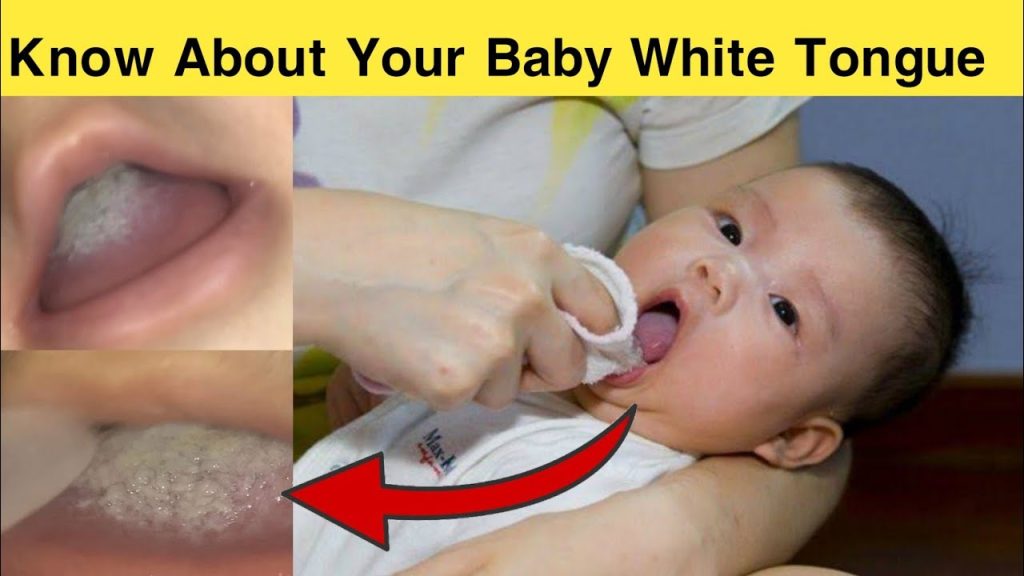
Have you noticed an infant white tongue and wondered, Is this normal—or something I should worry about? You’re not alone. Many parents spot a milky or chalky coating on their baby’s tongue and feel concerned. The good news is that most cases are harmless and easy to manage at home. In this 2026-friendly guide, we’ll explain what causes infant white tongue, how to tell normal milk residue from oral thrush, and what practical steps you can take to keep your baby comfortable and healthy.
What Is Infant White Tongue?
An infant white tongue refers to a white or creamy coating on a baby’s tongue. In many newborns, this coating appears after feeding and often fades on its own. A baby’s mouth is still developing, and saliva flow is lower than in older children, which makes residue more noticeable.
In most cases, infant white tongue is simply milk residue. However, it can sometimes signal oral thrush, a mild yeast infection. Knowing the difference helps parents respond calmly and correctly.
Common Causes of Infant White Tongue
Milk Residue on Baby Tongue
The most frequent cause of infant white tongue is leftover breast milk or formula. Milk can coat the tongue, especially if your baby feeds often or falls asleep right after feeding.
Key signs of milk residue:
White coating mainly on the tongue (not cheeks or lips)
Easily wipes away with a clean, damp cloth
Baby seems comfortable and feeds well
This is normal and usually not a health issue.
Oral Thrush in Infants
Oral thrush in infants is caused by an overgrowth of Candida yeast. Unlike milk residue, thrush forms thicker white patches that cling to the tongue and inner cheeks.
Signs of thrush include:
White patches that don’t wipe off easily
Redness or soreness underneath
Fussiness during feeding
If you suspect thrush, a pediatrician can confirm and prescribe safe treatment.
Dehydration or Dry Mouth
Mild dehydration can make saliva thicker, leading to a white-coated tongue. Babies who are unwell, overheated, or not feeding well may show this sign. Ensuring regular feeds usually resolves it.
Antibiotics and Feeding Equipment
Antibiotics (for baby or breastfeeding parent) can disrupt normal mouth bacteria and contribute to infant white tongue. Pacifiers and bottles that aren’t cleaned well may also allow yeast to grow.
How to Tell Milk Residue vs. Thrush
A Simple At-Home Check
Wash your hands and gently wipe your baby’s tongue with a soft, damp cloth.
If it wipes away easily: likely milk residue
If it stays and looks patchy: could be thrush
When Symptoms Need Attention
Call your pediatrician if infant white tongue is accompanied by:
Poor feeding or weight gain
Persistent fussiness
White patches spreading to cheeks or gums
Early advice brings peace of mind.
Infant Wellness & Preventive Care (2026 Trends)
Gentle Oral Hygiene for Babies
Even before teeth appear, gentle oral care supports overall infant wellness. Wiping the gums and tongue once daily helps reduce milk buildup and keeps your baby comfortable.
Feeding, Nutrition, and Hydration
Proper feeding supports a healthy mouth. Breast milk and formula both provide excellent nutrition, but frequent feeds can leave residue. Burping your baby and offering short breaks can help saliva naturally cleanse the tongue.
Parental Mental Wellness Matters
Seeing an infant white tongue can cause unnecessary worry. In 2026, pediatric experts emphasize parental mental wellness—trusting your instincts while using reliable information. Remember, most white tongues are harmless.
Current Trends: Telehealth & Probiotics
Telehealth pediatrics: Many parents now use virtual visits to quickly show a doctor their baby’s tongue.
Probiotics research: Ongoing studies explore whether certain probiotics may reduce oral thrush risk, though routine use should always be discussed with a pediatrician.
Practical Daily Tips for Parents
Easy Home Care Steps
Use a clean, damp cloth to gently wipe the tongue once a day.
Sterilize bottles, pacifiers, and teething toys regularly.
If breastfeeding and thrush is diagnosed, both parent and baby may need treatment.
When to Call the Pediatrician
Seek medical advice if:
Infant white tongue lasts longer than two weeks
Your baby seems uncomfortable or refuses feeds
You notice cracking at the corners of the mouth
Prompt care prevents small issues from becoming bigger ones.
Frequently Asked Questions (FAQs)
1. Is infant white tongue always a sign of thrush?
No. Most cases of infant white tongue are due to milk residue and are completely normal.
2. Can I clean my baby’s tongue every day?
Yes. Gentle daily cleaning with a soft cloth is safe and supports oral hygiene.
3. Does oral thrush in infants go away on its own?
Sometimes mild cases improve, but medical treatment is often recommended to prevent spread or discomfort.
4. Can breastfeeding cause infant white tongue?
Breastfeeding itself doesn’t cause problems, but milk residue can coat the tongue. Thrush can pass between parent and baby, so both may need treatment.
5. When should I worry about infant white tongue?
If it doesn’t wipe off, spreads, or affects feeding, consult a pediatrician for guidance.
Final Thoughts
An infant white tongue is usually harmless and part of normal baby development. By understanding the causes, practicing gentle oral care, and knowing when to seek help, parents can feel confident and calm. If you’re ever unsure, don’t hesitate to reach out to your pediatrician—especially with today’s convenient telehealth options in 2026.
👉 Want more parent-friendly health tips? Bookmark this page, share it with fellow parents, and subscribe for trusted baby wellness updates!
Related posts:
 AI Mental Health: Smarter Emotional Wellness in 2026
  What Is the Average Height for Men in the US? (2026 Update)
  Bad Mental Health: Understanding, Managing, and Overcoming Emotional Struggles in 2026
  Pea vs Whey Protein: What You Need to Know in 2026
  Articles About Mental Health: What Everyone Should Know in 2026
  Bioma Reviews 2026 – Is This Gut Health Supplement Worth It?
  Nutrafol Reviews 2026 – Does This Hair Growth Supplement Really Work?
  Il Makiage Reviews 2026: Real Results, Shade Match & Before-After Guide
  When Is the Best Time to Take Creatine? (Updated 2026 Guide)