Ever wondered why some people stay mentally sharp even as they age? Or why brain fog seems to hit harder despite getting enough sleep? The good news: improving cognitive wellness is absolutely possible. In 2026, new research highlights simple brain health tips anyone can follow to boost memory, enhance focus, and protect long-term brain function.
Whether you’re an adult juggling work and family, a senior wanting to stay mentally active, a parent supporting growing kids, or a fitness beginner seeking total wellness—this guide breaks down the latest trends and practical strategies for a healthier brain.
Why Brain Health Matters More Than Ever
With stress levels rising and digital overload becoming the norm, protecting your brain is no longer optional. Cognitive decline can begin earlier than many people realize, often starting in your 30s or 40s. The primary keyword—brain health tips—has become one of the most searched wellness topics worldwide because people want strategies that actually work.
A healthy brain supports:
Better memory
Clearer thinking
Emotional balance
Faster learning
Long-term protection against dementia
New Trends in Cognitive Wellness for 2026
Here are the top 2026 brain health trends shaping the wellness world:
Neuroplasticity training apps with personalized programs
Nutrigenomics—custom nutrition based on your DNA
Wearable devices that track stress and mental load
AI-driven meditation coaches
Omega-3 and magnesium resurgence due to new long-term studies
Even simple lifestyle tweaks can produce meaningful results.
Nutrition Tips for a Stronger Brain
Brain-Boosting Foods
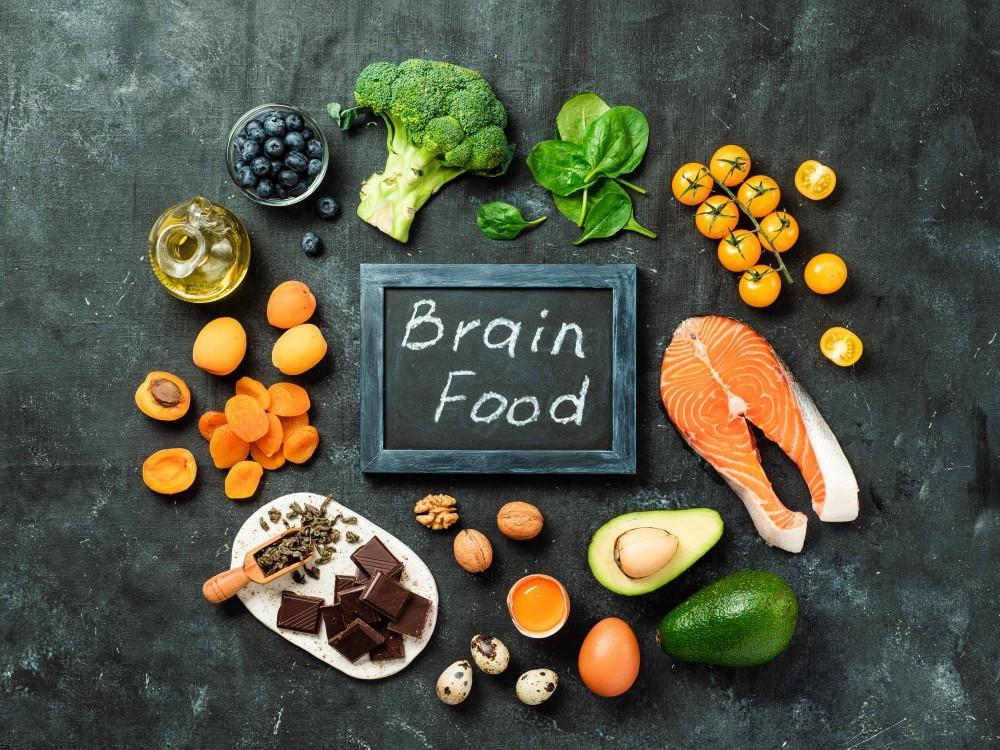
Food directly influences how well your brain performs. Here are scientifically supported options:
Top Foods for Cognitive Power
Fatty fish (salmon, sardines, trout)
Leafy greens (spinach, kale)
Blueberries and blackberries
Walnuts and almonds
Eggs (rich in choline)
Whole grains
Turmeric and ginger
Dark chocolate (70%+)
These foods reduce inflammation, enhance memory, and feed your brain the nutrients it needs.
Supplements Supported by Research
While real food matters most, certain supplements show strong evidence:
Omega-3 DHA – improves memory & reduces brain aging
Magnesium L-Threonate – supports learning and neuroplasticity
Vitamin D3 – essential for mood & cognitive health
B Vitamins – reduce brain fog & mental fatigue
(Always consult a healthcare provider before starting supplements.)
Hydration and Brain Function
Your brain is 75% water. Even mild dehydration slows reaction time and harms concentration.
Aim for:
2–3 liters of water daily
Electrolytes during intense exercise
Reduced sugary beverages
Physical Fitness & Brain Performance
Exercise Types Proven to Boost Cognition
Movement increases blood flow and stimulates the growth of new brain cells. For 2026, the best exercises for brain health include:
Aerobic exercise: walking, swimming, cycling
Strength training: boosts executive function
Yoga & Pilates: improves stress response
Dance or choreographed workouts: enhances memory pathways
Even 20–30 minutes a day can significantly improve cognitive resilience.
2026 Fitness Trends Supporting Brain Health
VR-based fitness games that combine fun & cognitive training
Outdoor functional workouts for stress reduction
Hybrid classes mixing strength, cardio, and mindfulness
Short, intense micro-workouts for busy adults
Mental Wellness & Stress Management
Mindfulness Strategies for Better Mental Health
Chronic stress shrinks the prefrontal cortex (the thinking part of the brain). Mindfulness reverses this impact.
Try these daily:
5-minute deep breathing
Journaling
Guided meditation
Gratitude lists
Nature walks
Sleep Hygiene for Optimal Brain Function
Sleep is when your brain detoxifies and repairs itself. Poor sleep is linked to memory loss, irritability, and slower thinking.
Tips for Better Sleep
Keep a consistent sleep schedule
Avoid screens 60 minutes before bed
Use a cool, dark bedroom
Limit caffeine after 2 PM
Try magnesium or chamomile tea
Adults need 7–9 hours of high-quality sleep.
Preventive Care & Brain Protection
Screen Time Management
Excessive screen exposure increases mental fatigue. To protect your brain:
Follow the 20-20-20 rule: every 20 minutes, look 20 feet away for 20 seconds
Reduce exposure to blue light at night
Take hourly movement breaks
Use tools like focus timers or digital wellbeing apps
Regular Check-Ups & Early Detection
Brain health should be monitored just like heart health. Consider:
Annual cognitive screening
Tracking blood pressure & cholesterol
Checking nutrient levels (B12, D3, magnesium)
Discussing any memory concerns early
Daily Practical Brain Health Tips
Simple Changes with Big Results
Here are easy brain health tips you can start today:
Start your morning with a protein-rich breakfast.
Read for 10 minutes daily.
Learn a new skill every few months.
Socialize with friends and family.
Keep your environment mentally stimulating.
Practice digital detoxing.
Manage stress before it builds up.
Habits to Avoid
Excess sugar
Smoking
Lack of sleep
Sedentary lifestyle
Heavy alcohol consumption
Multitasking overload
FAQs About Brain Health
1. What are the best quick brain health tips I can do daily?
Drink water, walk for 20 minutes, meditate for 5 minutes, and eat antioxidant-rich foods. Small habits compound over time.
2. Can diet really improve brain function?
Yes! Nutrient-dense foods like fish, nuts, greens, and berries are proven to support memory and concentration.
3. How does exercise affect cognitive health?
Exercise increases oxygen flow and stimulates brain cell growth, improving memory and problem-solving abilities.
4. What causes brain fog and how can I fix it?
Common causes include stress, dehydration, lack of sleep, and nutrient deficiencies. Addressing these factors usually improves clarity.
5. Are brain games effective?
Yes, especially when paired with physical activity and real-life learning. They strengthen neural pathways but work best as part of a holistic routine.
🎯 Conclusion: Start Building a Healthier Brain Today
Your brain shapes everything—from how you think to how you feel and how you live. The brain health tips above make it easy to build routines that boost cognition, improve mood, and protect long-term wellness in 2026 and beyond.
🌟 Ready to transform your brain health?
Start with one small habit today and watch the benefits grow.
Related posts:
 AI Mental Health: Smarter Emotional Wellness in 2026
  What Is the Average Height for Men in the US? (2026 Update)
  Bad Mental Health: Understanding, Managing, and Overcoming Emotional Struggles in 2026
  Pea vs Whey Protein: What You Need to Know in 2026
  Articles About Mental Health: What Everyone Should Know in 2026
  Bioma Reviews 2026 – Is This Gut Health Supplement Worth It?
  Nutrafol Reviews 2026 – Does This Hair Growth Supplement Really Work?
  Il Makiage Reviews 2026: Real Results, Shade Match & Before-After Guide
  When Is the Best Time to Take Creatine? (Updated 2026 Guide)
Your article helped me a lot, is there any more related content? Thanks!