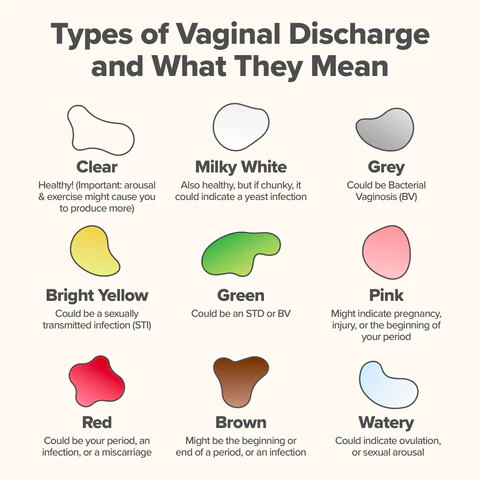
Have you noticed cloudy white discharge lately and wondered what it really means? You’re not alone. Millions of adults across the globe search for answers every day—especially as women’s health awareness grows in 2026. Sometimes discharge is completely normal. Other times, it may signal a hormonal shift, an infection, or simply a lifestyle change.
In this friendly and easy-to-understand guide, we’ll break down everything you need to know—causes, symptoms, when to worry, when it’s normal, current trends in women’s health, and practical tips you can start using today.
What Is Cloudy White Discharge?
Cloudy white discharge is vaginal fluid that appears milky, off-white, or slightly thick. For many women, it’s a normal sign of the body’s self-cleaning process. Vaginal glands naturally release discharge to maintain healthy pH levels, flush out bacteria, and keep tissues lubricated.
However, changes in color, consistency, or smell can reveal what’s happening inside the body—whether it’s normal hormonal activity or an underlying infection.
Normal vs. Abnormal Vaginal Discharge
Normal discharge is often:
-
Clear to white
-
Smooth or slightly creamy
-
Odorless or mildly scented
-
Not accompanied by itching or pain
Abnormal discharge may:
-
Smell foul or fishy
-
Be chunky like cottage cheese
-
Be yellow, green, or gray
-
Come with pain, itching, or burning
Why the Color and Texture Matter
Each change tells a story:
-
Milky/cloudy: Often hormonal
-
Thick white: Possibly yeast
-
Thin gray/white: Possible bacterial vaginosis
-
Yellow/green: Possible STI
Common Causes of Cloudy White Discharge
Cloudy white discharge can have many causes—from harmless to medically significant. Here’s a detailed look.
1. Normal Hormonal Changes
Hormones shift every month, especially:
-
Before your period
-
During ovulation
-
After sex
-
During stress
These hormone fluctuations increase discharge and can make it look cloudy or creamy.
2. Ovulation & Menstrual Cycle Shifts
During ovulation, discharge becomes:
-
Stretchy
-
White or cloudy
-
More abundant
This helps sperm travel and is a normal fertility cue.
3. Pregnancy-Related Changes
Early pregnancy often brings:
-
Increased watery or creamy discharge
-
Mild cloudiness
-
No strong smell
This occurs due to higher progesterone and increased vaginal blood flow.
4. Yeast Infection (Candidiasis)
A yeast infection is a common cause of thick, cloudy white discharge with:
-
Itching
-
Redness
-
Burning
Yeast infections affect millions yearly—especially in humid climates or after antibiotic use.
5. Bacterial Vaginosis (BV)
BV produces:
-
Milky white or gray discharge
-
Strong “fishy” odor
-
Thin consistency
BV is not an STI but is linked to pH imbalance.
6. STIs That May Produce Cloudy Discharge
Some infections can cause thick or cloudy discharge:
-
Chlamydia
-
Gonorrhea
-
Trichomoniasis
Most STIs also include symptoms like:
-
Pelvic pain
-
Burning urination
-
Unusual odors
If you’re sexually active, never ignore sudden changes.
Symptoms to Watch For
Here’s how to tell when cloudy white discharge is a red flag:
Concerning Symptoms:
-
Strong odor
-
Pain during sex
-
Bleeding outside your period
-
Intense itching or burning
-
Fever or pelvic pain
-
Green, gray, or yellow tint
Normal Symptoms:
-
No smell
-
Smooth texture
-
Mildly increased volume
-
Occurs around cycle changes
If symptoms affect your daily routine, it’s best to consult a healthcare professional.
Current Trends in Women’s Health (2026)
Women today are more proactive about their intimate health—thanks to new technologies and global awareness campaigns.
1. Rise of At-Home Vaginal Health Testing
In 2026, discreet home tests for:
-
BV
-
Yeast infections
-
pH imbalance
…have become widely adopted worldwide.
2. Telehealth for Intimate Concerns
Virtual gynecology consultations are more common than ever, allowing women to:
-
Receive quick evaluation
-
Get prescriptions
-
Discuss symptoms privately
3. Probiotic Vaginal Health Products
Vaginal probiotics are trending for:
-
Balancing pH
-
Preventing recurrent BV
-
Improving overall comfort
They are available as supplements, suppositories, and even probiotic-rich drinks.
How to Maintain Vaginal Health
Good Hygiene & Lifestyle Habits
Follow these tips to keep discharge healthy and balanced:
-
Use mild, unscented soap externally only
-
Wear cotton underwear
-
Avoid tight clothing for long periods
-
Change out of sweaty workout clothes ASAP
-
Avoid douching
-
Use condoms for STI prevention
Nutrition for Hormonal Balance
Foods that support vaginal health:
-
Greek yogurt (probiotics)
-
Leafy greens
-
Berries (antioxidants)
-
Omega-3 foods (salmon, walnuts)
-
Whole grains
Hydration also plays a major role in lubrication and pH balance.
Fitness & Wellness Guidance
Exercise boosts circulation to the pelvic region. Options include:
-
Yoga
-
Brisk walking
-
Pilates
-
Light strength training
Just remember to change out of damp clothes quickly to prevent yeast growth.
Preventive Care (Global Recommendations)
Regardless of location, experts suggest:
-
Annual gynecological exams
-
STI screenings if sexually active
-
HPV vaccination
-
Safe sexual practices
When to See a Doctor
Seek medical advice if:
-
Discharge smells bad
-
Itching becomes unbearable
-
You see blood mixed with discharge
-
Symptoms persist longer than 3–4 days
-
You’re pregnant and notice unusual changes
-
You suspect an STI
Don’t wait—early treatment helps prevent complications.
Frequently Asked Questions (FAQ)
1. Is cloudy white discharge normal?
Yes, it can be normal—especially around ovulation or before your period. However, if it’s smelly or itchy, it may signal infection.
2. Does cloudy discharge always mean infection?
No. Hormones, pregnancy, and stress can cause it too.
3. Can I treat cloudy discharge at home?
For mild symptoms related to hormones, hygiene, and pH, yes. For infections, seek medical treatment.
4. What does cloudy discharge with odor mean?
A foul smell could indicate bacterial vaginosis or an STI.
5. When should I worry?
If you experience pain, itching, odor, fever, or unusual bleeding.
Conclusion
Cloudy white discharge can be completely normal—or a sign your body needs attention. Understanding the causes helps you make informed decisions about your health.
If your symptoms feel unusual, painful, or persistent, don’t ignore them. Your body communicates through signals—listen to them.
Related posts:
 AI Mental Health: Smarter Emotional Wellness in 2026
 What Is the Average Height for Men in the US? (2026 Update)
 Bad Mental Health: Understanding, Managing, and Overcoming Emotional Struggles in 2026
 Pea vs Whey Protein: What You Need to Know in 2026
 Articles About Mental Health: What Everyone Should Know in 2026
 Bioma Reviews 2026 – Is This Gut Health Supplement Worth It?
 Nutrafol Reviews 2026 – Does This Hair Growth Supplement Really Work?
 Il Makiage Reviews 2026: Real Results, Shade Match & Before-After Guide
 What Is a Bad Heart Rate? A Complete 2026 Guide for All Ages